Physical AI Explained: What It Is and Why It Matters
Most AI lives on a screen. Physical AI perceives and acts in the real world through machines. Here is what it is, why it is moving fast, and where it already shows up.
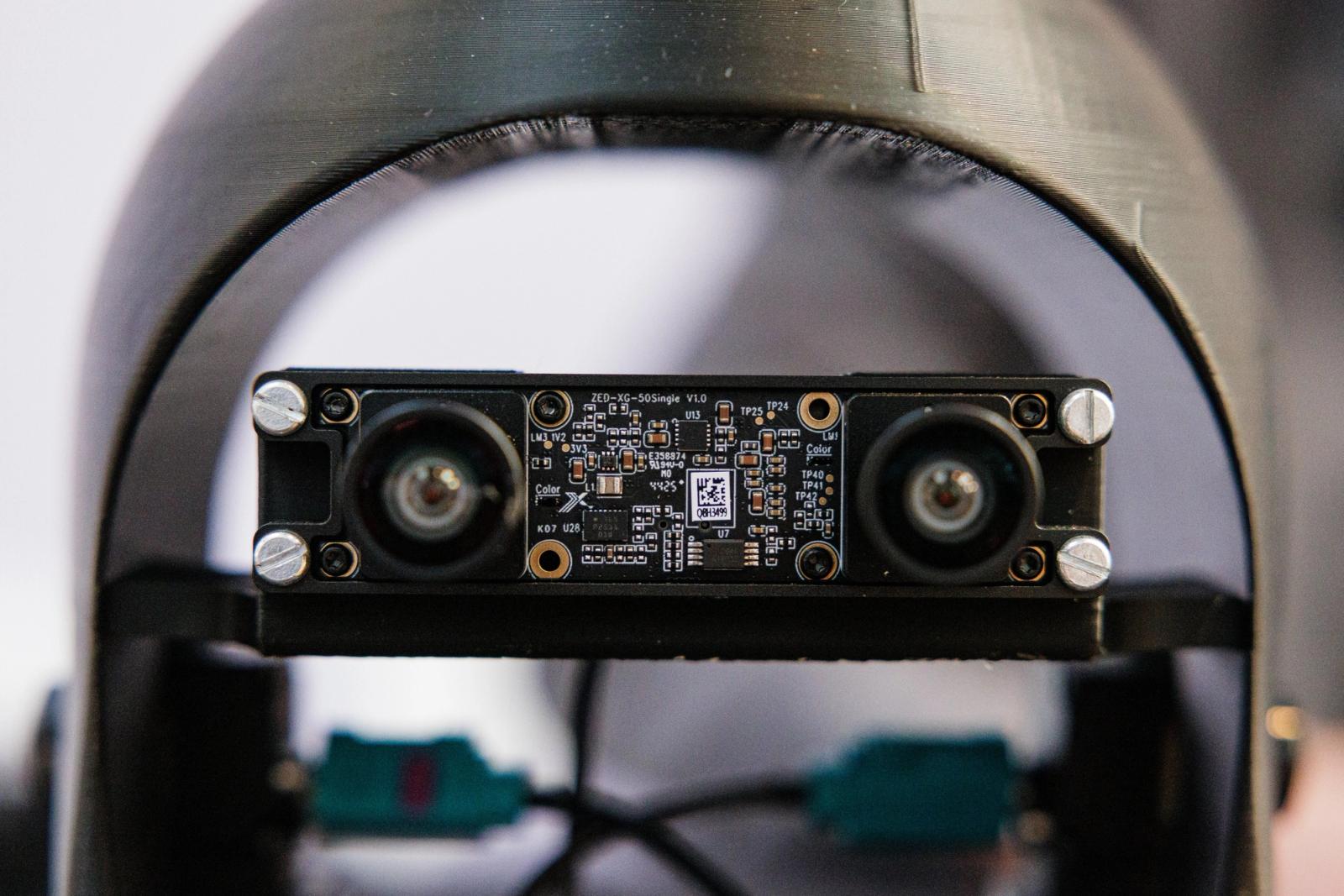
Most of the AI people talk about lives on a screen. It writes, draws, and answers questions. Physical AI is the other kind, AI that perceives and acts in the real world through machines. It is moving fast right now, and it helps to understand what it is and why it matters.
What physical AI means
Physical AI is artificial intelligence that operates a body. Instead of only processing text or images, it takes in the world through sensors, decides what to do, and acts through motors, wheels, or hands. A chatbot answers you. A physical AI system picks up the box, drives the truck, or walks across the room. Intelligence is judged not by what it says but by what it does in a space that pushes back.
How it differs from the AI you already use
The AI most people know is digital: it works with data and returns data. Physical AI has to deal with the messy, unforgiving real world, where lighting changes, objects move, and a small mistake has physical consequences. That makes it harder. A language model that is wrong produces a bad sentence. A robot that is wrong drops the part or misses the turn. The bar for reliability is simply higher.
Why it is moving fast now
A few things lined up. Foundation models gave robots a way to generalize instead of being programmed task by task. World models and simulation made it possible to train robots in generated environments rather than only in the real world, which was slow and expensive. And a wave of capital arrived, betting that the leap generative AI made on screens is now possible in the physical world. Put together, the field went from slow and bespoke to fast and increasingly general.
Where it already shows up
Physical AI is not a someday technology. It is unloading trailers and picking orders in warehouses, driving freight down highways, running autonomous machines on farms, and inspecting sites from the air. Humanoid robots get the headlines, but much of the real progress is in unglamorous places where the work is repetitive, hard to staff, or dangerous.
Why it matters
If it keeps maturing, physical AI reshapes the parts of the economy that software has mostly left alone: manufacturing, logistics, construction, agriculture. That is a large share of what the world actually does, and it is why so many founders and investors have moved toward it. It is also why the honest debates, what is real and what is still hard, are worth following closely.
Physical AI is the whole subject at AUTONOMOUS, the conference where the people building it gather in San Francisco. To follow where it heads next, join the 2027 waitlist.
The event
AUTONOMOUS 2027
The conference behind this reporting. Two stages of founders, engineers and investors building robotics and physical AI, in one room for a day.