The Biggest Trends in Physical AI Right Now
Strip away the demo reels and a few real shifts are driving physical AI. Here is what actually matters right now, and what each trend means if you are building.
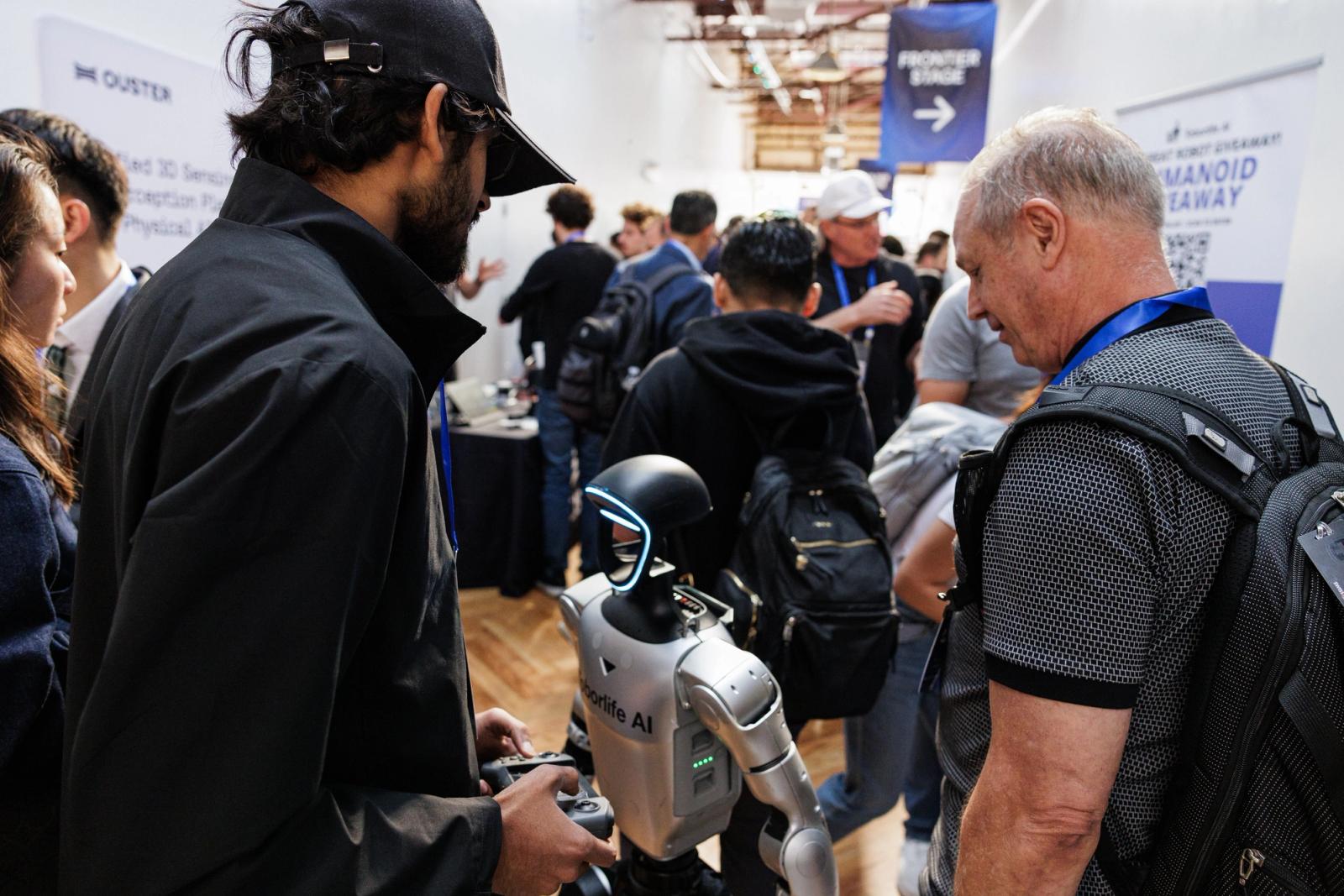
Physical AI is having its loudest year yet, and the noise makes it hard to see the signal. Strip away the demo reels and a handful of real shifts are driving the field. Here are the trends that actually matter right now, and what each one means if you are building.
The moat is moving from hardware to data
For years the hard part of robotics looked like the machine. Increasingly it is the data. A robot policy is only as good as the varied, realistic experience it trains on, and collecting that in the real world is slow and expensive. The response taking shape is synthetic: world models that turn a few phone videos of a space into a simulated environment a robot can practice in endlessly. Whoever solves cheap, diverse training data holds the real advantage, not whoever bolts together the nicest arm.
Generalist ambitions, specialist paydays
The headline research goal is a single foundation model that can drive any robot body, one brain for many machines. It is a genuine frontier. But the businesses making money are doing the opposite: picking one narrow, ugly task and owning it, unloading trailers, moving freight, tending a specific crop. Expect this split to continue. General intelligence is where the science is heading; narrow deployment is where the revenue is.
Training is moving into simulation first
Tied to the data shift, more teams now train and test in generated worlds before a robot ever touches the real one. Simulation used to be a rough approximation. It is becoming the primary classroom, with the real world reserved for final validation. If you are hiring, the sim-to-real skill set is quietly becoming as valuable as the hardware one.
Humanoids are a capital story before a capability story
No category is more hyped, and the honest builders say so out loud. Humanoids attract enormous funding on the promise of a general-purpose worker, but what ships today is far narrower than the marketing. The trend worth tracking is not the next flashy backflip, it is which humanoid companies quietly find a real, repeatable job to do. Until then, treat the category as an investment thesis wearing a product costume.
Autonomy's real progress is unglamorous
The public imagines robotaxis. The actual momentum is in freight lanes, warehouses, farms, and jobsites, places with messy conditions, thin margins, and no cameras rolling. Driver-out trucking, box-picking in fulfillment, and autonomous machines on the farm are where deployment is compounding. The least cinematic corners of autonomy are the ones getting real fastest.
The whole field is waiting for its ChatGPT moment
Underneath every trend sits one question: when does robotics get its ChatGPT moment, the point where a general-purpose robot is suddenly, visibly useful to everyone and not just to the people building it? Nobody agrees on the timing. Some say it's a few years out, others that it will arrive one narrow task at a time rather than all at once. That uncertainty, more than any single demo, is what makes this the moment to pay attention.
The through-line is that physical AI is getting real unevenly, and the people closest to it are refreshingly clear about which parts. These were the debates that dominated AUTONOMOUS 2026, and they are the ones AUTONOMOUS returns to San Francisco in 2027 to continue.
Join the AUTONOMOUS 2027 waitlist. Waitlist members get first access.
The event
AUTONOMOUS 2027
The conference behind this reporting. Two stages of founders, engineers and investors building robotics and physical AI, in one room for a day.