Warehouse automation: Walmart commits $6B to Symbotic for 25 US distribution centres
Walmart has committed about $6B to Symbotic warehouse automation for 25 US distribution centres. The deal adds a $125M racking research programme and a first push into select markets in the Americas.
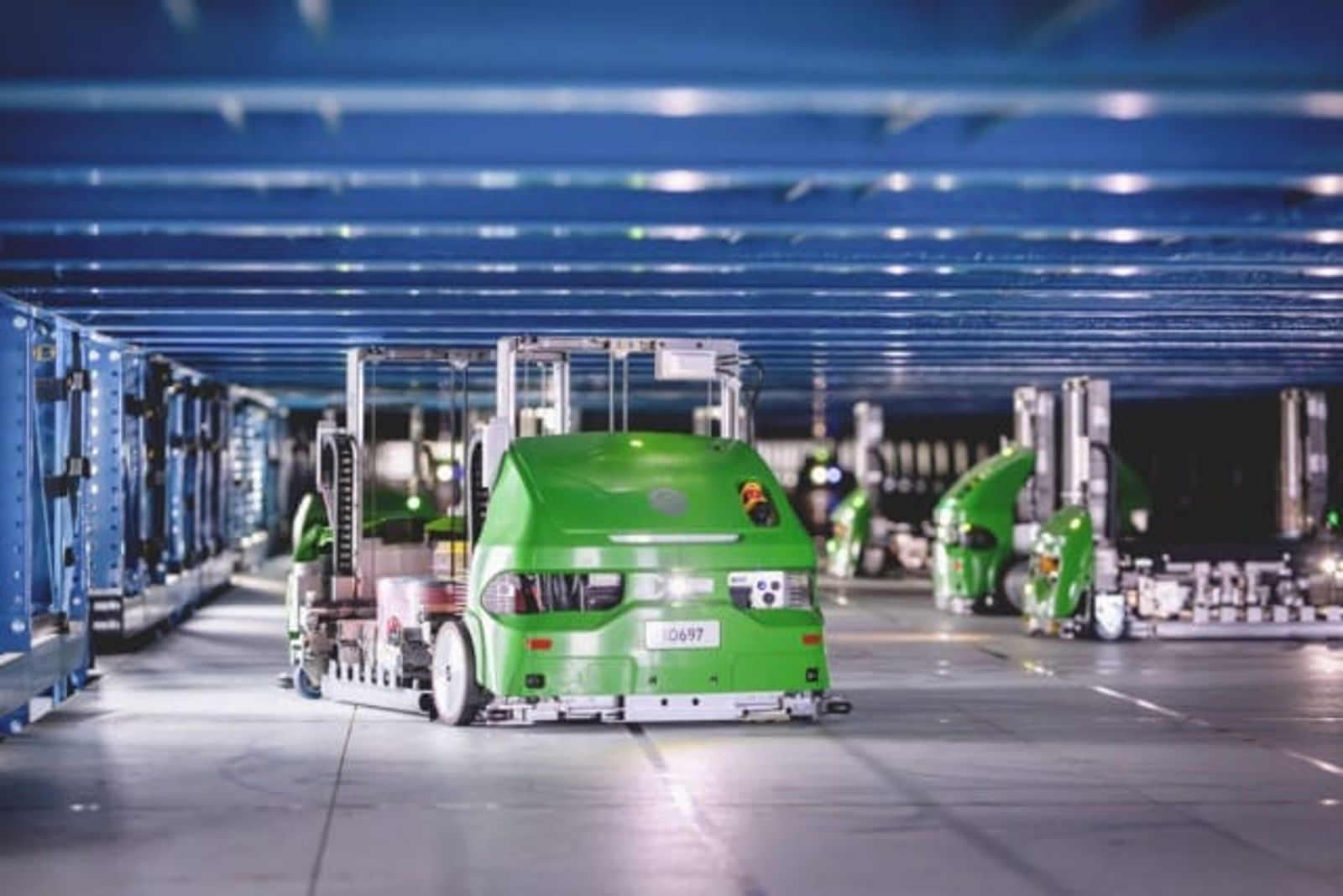
Walmart has committed about $6B to warehouse automation from Symbotic, the Massachusetts robotics company, to upgrade 25 of its US regional distribution centres over several years.
The two companies announced the expanded commercial agreement on 29 October 2026. Walmart describes the figure as an initial commitment. It covers work across multiple sites, and both sides can add further orders later.
What the $6B warehouse automation deal covers
The deal sits under a new framework that Symbotic calls an Enterprise Master Automation Agreement. According to Symbotic's SEC filing, it governs the systems Symbotic supplies to Walmart and its affiliates worldwide.
Walmart's spend has two parts. Most of it buys Symbotic systems for the ambient, or non-chilled, areas of distribution and fulfilment centres. These sites are in the US and in select international markets in the Americas.
The rest is a $125M development programme. It funds research into next-generation racking, the shelving structure that robots move through, along with new picking, process flow and inventory tools.
Walmart also pays separate fees for each system. These cover software licences, support, operations, maintenance and spare parts. Symbotic said the commitment could raise its future backlog by up to $6.92B.
What is new in the Walmart and Symbotic relationship
Symbotic has worked on Walmart's supply chain since 2017. By January 2025 it was rolling out its robotics across all 42 Walmart regional distribution centres in the US, according to a company release.
That same month, Symbotic bought Walmart's Advanced Systems and Robotics unit for $200M in cash. Walmart agreed to buy 400 store-based pickup and delivery systems if they met performance targets. It also agreed to pay Symbotic $520M in research fees.
The October deal moves the partnership beyond the US for the first time. It also brings in new products and gives Walmart a governance right. While Walmart holds more than 5% of Symbotic, it can recommend one independent director for the Symbotic board.
Symbotic leadership on the deal
Rick Cohen founded Symbotic in 2007 and serves as its chairman and chief executive. He is also executive chairman of C&S Wholesale Grocers, his family's distribution business, which he joined full time in 1974.
Cohen said, "Our partnership with Walmart started with a single product over a decade ago, and now we offer a full end-to-end solution to help power Walmart's growth across its supply chain for years to come."
Rob Montgomery is executive vice president of supply chain operations for Walmart U.S. He runs the retailer's distribution and fulfilment centres. An industrial engineer, he joined Walmart as a logistics engineer in 2006.
Montgomery said, "Our work with Symbotic over the years, including this expanded agreement, helps us improve service, grow capacity, simplify work for our associates and lower costs."
How Symbotic warehouse automation works
Symbotic builds robotic systems that store and move cases of goods inside warehouses. AI software controls the robots and tracks stock. The company said its software directs millions of case movements each day.
Two products feature in the new deal. BreakPack is an each-picking system, which means it picks single items out of cases rather than moving whole cases. SymMicro is a micro-fulfilment system, a compact automated store for online orders.
Walmart plans to use the added warehouse automation for e-commerce upstream inventory management. In plain terms, it wants online stock held and sorted earlier in the chain, before it reaches stores.
The retailer said the work should also add storage space and improve product flow. Walmart expects this to support a wider product range and more reliable restocking.
Symbotic customers and backlog
Walmart is Symbotic's largest customer. Symbotic also lists C&S Wholesale Grocers as a customer, and it deploys systems through GreenBox, its warehouse-as-a-service joint venture.
Symbotic reported revenue of $2.247B for fiscal 2025, up 26% on the year before. It had about $22.5B of backlog as of 27 September 2025, most of it from Walmart and GreenBox, according to its annual report.
The warehouse automation market
Demand for logistics robots keeps growing. The International Federation of Robotics (IFR) said in its World Robotics 2026 report that 117,500 transport and logistics robots were sold worldwide in 2025.
That was up 21% on the prior year, according to the IFR. Logistics robots made up 47% of all professional service robots sold in 2025, the largest share of any use.
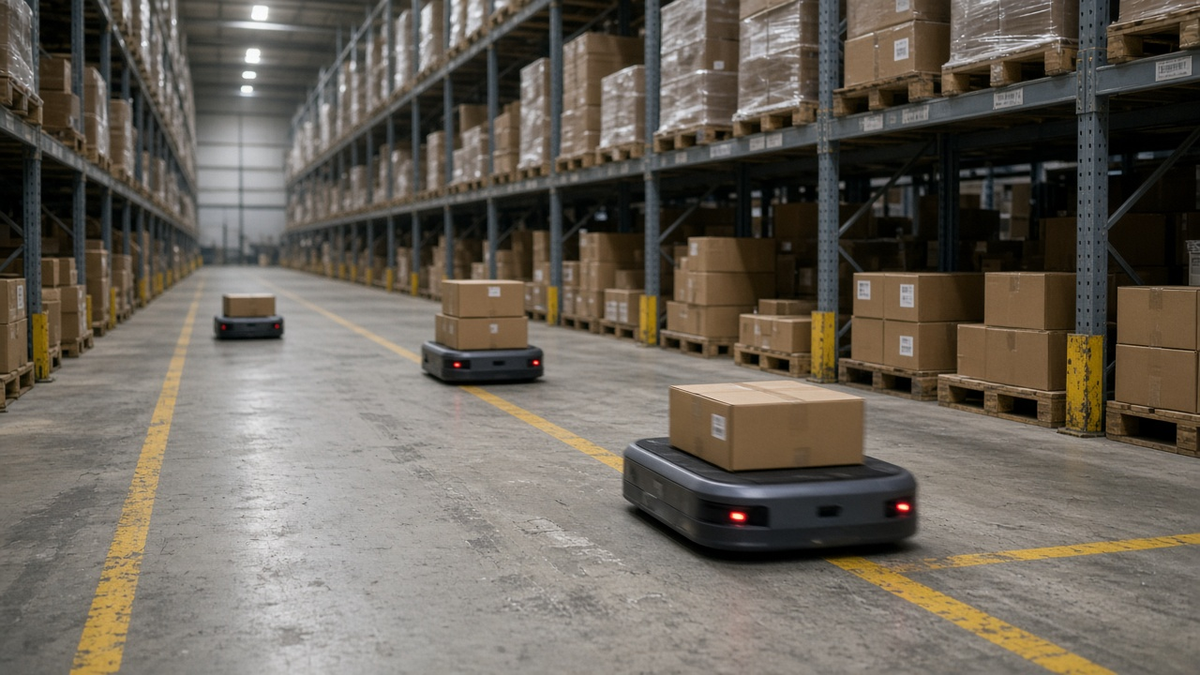
The IFR counted 102,900 logistics robots sold in 2024 in its previous report. It said these machines mainly move and handle goods, which is the core of warehouse automation.
Walmart's own scale shows the room to grow. The retailer has more than 4,600 US stores, and about 90% of Americans live within 10 miles of one, according to Symbotic's January
2025 release.
What comes next
The deal spans several years and multiple sites. Symbotic has not yet given a site-by-site timeline for the 25 distribution centres or named the first international markets.
The event
AUTONOMOUS 2027
The conference behind this reporting. Two stages of founders, engineers and investors building robotics and physical AI, in one room for a day.