Physical AI vs Generative AI: What's the Difference?
Generative AI makes text, images and code. Physical AI makes machines act in the real world. Here is how they differ, and how they are starting to work together.
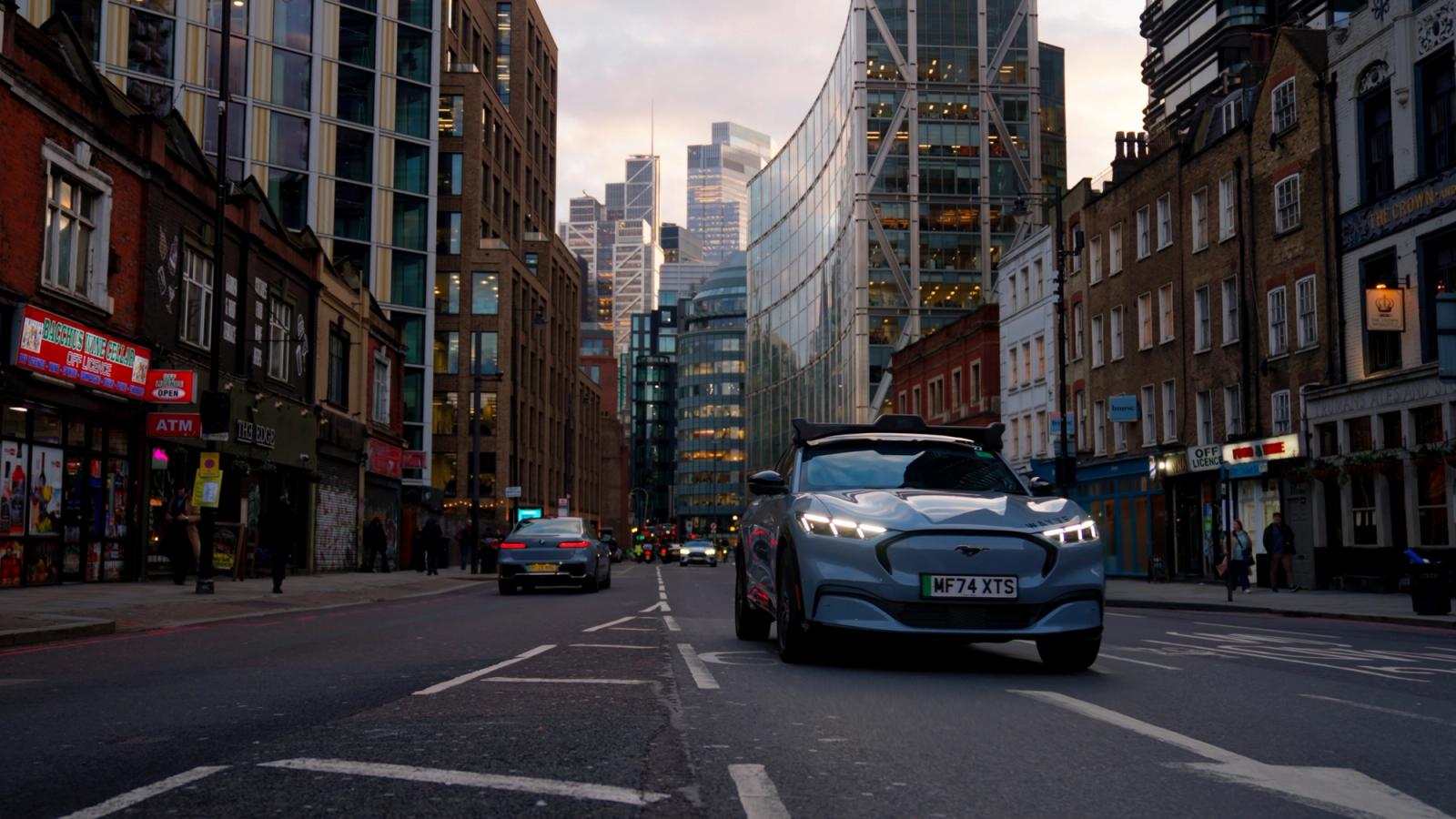
Most people met modern AI through chatbots and image generators. That is generative AI. So what is physical AI? It is the other half of the story: AI that controls machines in the real world. When you compare physical AI vs generative AI, the key point is that they share a lot of technology but solve very different problems.
Physical AI vs generative AI: the short answer
- Generative AI creates content: text, images, video, code. Its output lives on a screen.
- Physical AI perceives the world through sensors and acts on it through motors, wheels or hands. Its output is a movement: a box picked up, a truck steered, a weld made.
A chatbot answers your question. A physical AI system walks over and does the task.
How they differ in practice
- Input. Generative AI mostly takes in text and images. Physical AI takes in a constant stream of camera, depth, touch and position data from the robot's body.
- Output. Generative AI produces words or pixels. Physical AI produces motor commands, many times a second.
- Cost of a mistake. A wrong sentence can be edited. A wrong movement can drop a part, damage equipment or hurt someone, so the bar for reliability is far higher.
- Speed. A chatbot can take a few seconds to answer. A robot catching a falling object, or a car braking, has to react in a fraction of a second.
- Training data. Generative AI learned from the enormous amount of text and images on the internet. There is no internet-sized collection of robot movements, so physical AI has to gather its data slowly in the real world or generate it in simulation.
Why physical AI is harder
The data gap is the biggest reason. Every robot body is different, every warehouse is different, and lighting, clutter and people change all the time. A model has to handle situations it has never seen, in a world that pushes back. That is why the industry is investing so heavily in simulation and world models, which generate realistic practice environments so robots can train without collecting every example by hand.
Where they are merging
The two are not separate for long. Many new robot models are built on top of the same kind of large models behind chatbots, so a robot can understand an instruction like "put the red cup in the sink" before working out how to move. Generative techniques are also used to create the simulated worlds robots train in. At AUTONOMOUS 2026, Skild AI's Deepak Pathak made the case for one general model that can drive any robot body, and Wayve's Jamie Shotton argued that models which imagine the physical world could link self-driving cars to general-purpose robots.
In short: generative AI gave machines a way to understand language and the world in general. Physical AI is the work of turning that understanding into reliable action.
Which one matters for your business?
- If your work is information (writing, analysis, customer support, software), generative AI is where the near-term gains are.
- If your work is physical (manufacturing, logistics, construction, agriculture, healthcare), physical AI is where the next decade of change is coming from.
For a fuller introduction, read Physical AI Explained, and for where the field is heading, see The Biggest Trends in Physical AI Right Now.
Physical AI is the whole focus of AUTONOMOUS, the conference where the people building it meet in San Francisco. Join the 2027 waitlist.
Mentioned Skild AI WayveWorld Labs
From the conference


The event
AUTONOMOUS 2027
The conference behind this reporting: April 13-14, 2027 at Pier 27, San Francisco. Two days of founders, engineers and investors building robotics and physical AI.